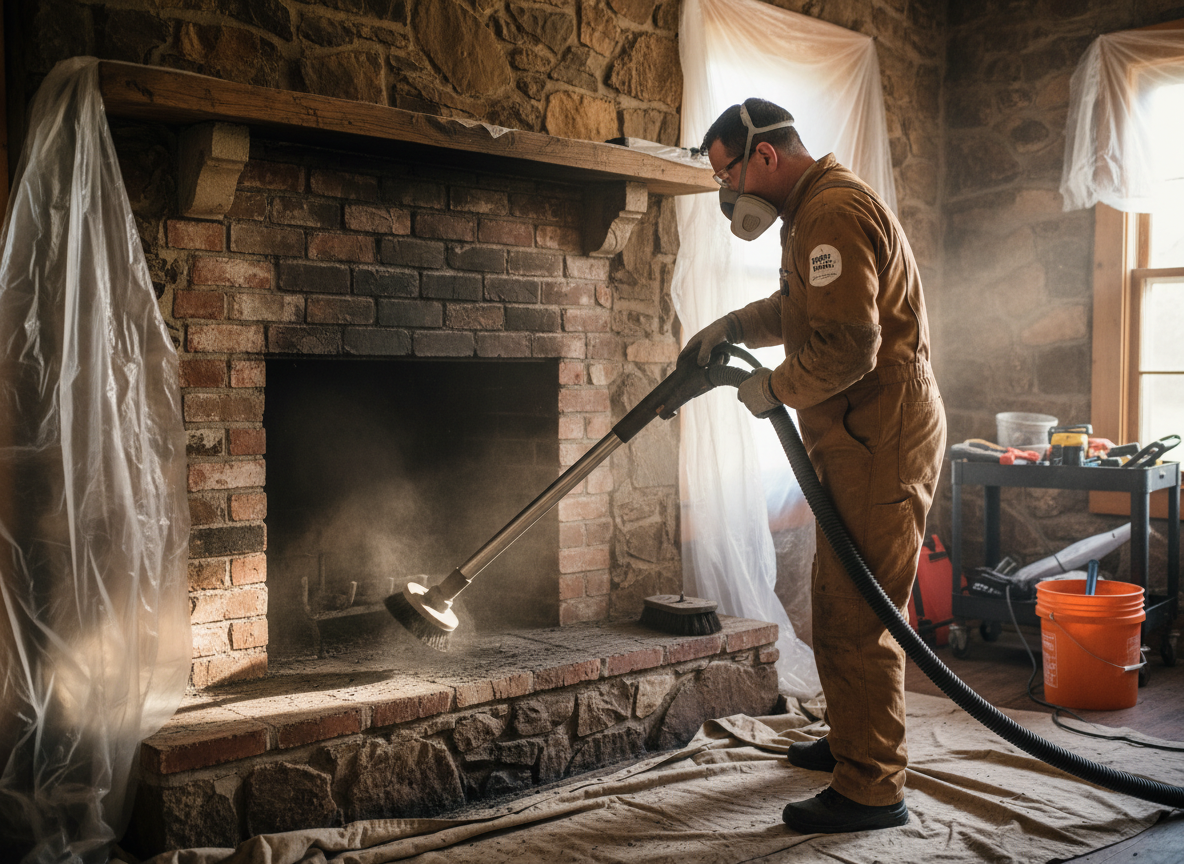
Soot from structure fires in Mentone settles differently because of the hot dry summers that pull fine particles deep into the stucco and older wood-frame homes common along Zanja Creek. These particles carry acidic residues that etch metal fixtures and discolor drywall if left longer than a few days. Technicians start by mapping airflow paths created by the area's cool winter winds that push soot from fire-damaged rooms into unaffected spaces near Mentone Park.
Standard vacuuming fails on the textured ceilings and popcorn finishes found in many San Bernardino County properties built before 1980. We use HEPA-filtered equipment and pH-neutral cleaners matched to the specific soot type, whether protein-based from kitchen fires or oily residue from synthetic materials. Over-application of water risks driving soot into the soil-adjacent foundations common near the creek bed.
After removal we test surfaces with white cloths and black-light inspection to confirm no visible or embedded residue remains. This step prevents the recurring odor that appears when summer heat reactivates trapped particles in homes between Redlands and Yucaipa.
Technician insight
In Mentone the thing that catches most people out with soot removal is how the dry summer winds drive fine particles into the unsealed crawl spaces under older homes along Zanja Creek. Homeowners often focus only on visible walls and miss the residue that later stains carpet pads when winter moisture arrives.
Soot in a Mentone Creek-side Home
A kitchen fire sent oily soot through the single-story stucco house near Zanja Creek. We found residue inside the return ducts and under the raised floor. Containment and dry removal cleared the surfaces; final testing showed no reappearance after the next hot spell.
How it works
- 1
Site Assessment
Inspect all affected rooms, HVAC returns, and attic spaces to chart soot migration routes created by local wind patterns.
- 2
Containment Setup
Isolate work zones with plastic barriers and negative air machines to keep particles from drifting into clean areas of the home.
- 3
Dry Removal
Use HEPA vacuums and sponges on walls, ceilings, and contents before any liquid cleaning begins.
- 4
Surface Cleaning
Apply appropriate cleaners to hard surfaces and treat porous materials that cannot be restored.
- 5
Final Verification
Perform cloth and odor checks, then restore normal airflow once clearance is confirmed.
Pricing
Cost depends on square footage affected, soot type, and whether HVAC cleaning is required; we provide upfront written quotes before work begins.