2026-10-16 ·
Protecting Mentone Homes During Peak Wildfire Season
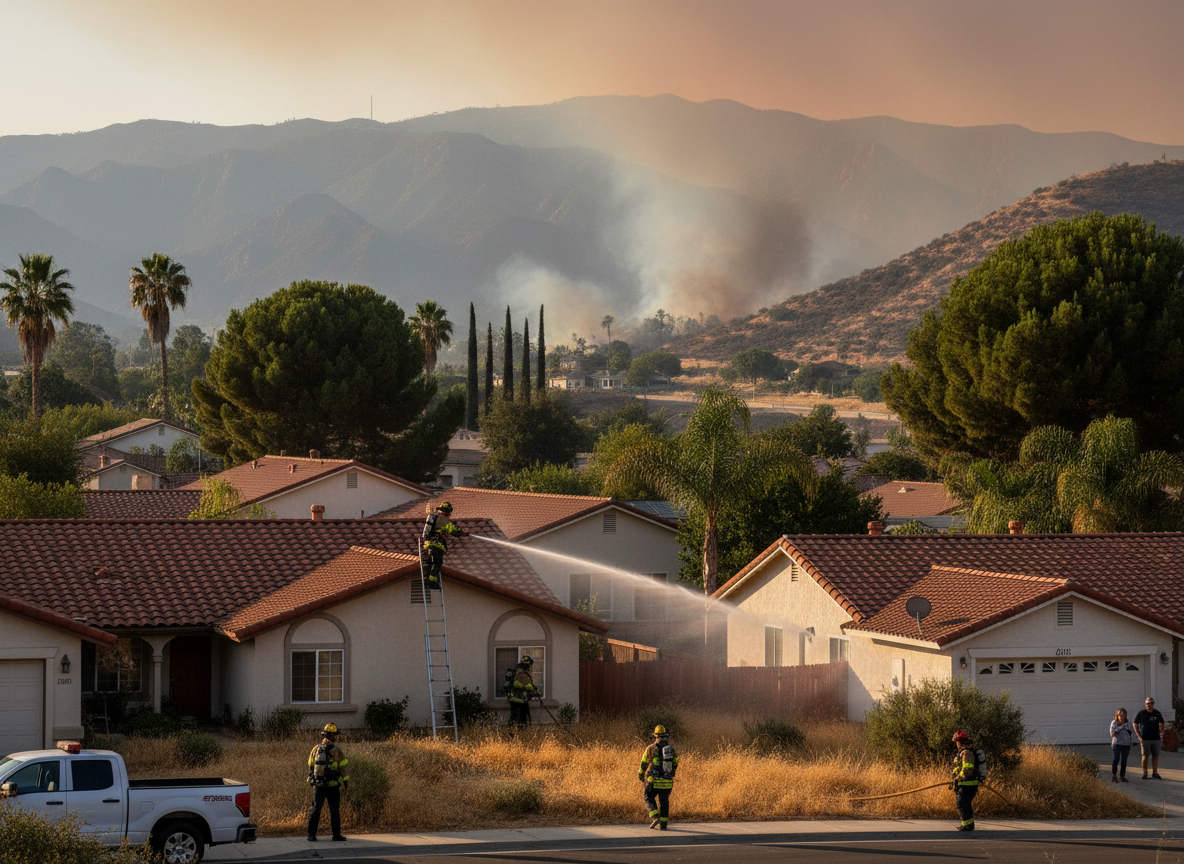
Mentone homes face elevated wildfire exposure each summer when the mild Mediterranean climate brings prolonged heat and low humidity across San Bernardino County. Creating 30 to 100 feet of defensible space, clearing dry vegetation along Zanja Creek corridors, and inspecting roofs for ember entry points before June reduces ignition chances significantly for single-story ranch homes typical in the area.
Assessing Your Property's Vulnerability
Properties in Mentone sit on varied terrain with older wood-frame homes built near Mentone Park and along Zanja Creek that collect dry brush and leaf litter. Homeowners should walk the full perimeter in early spring, noting slopes facing south or west that dry faster during the hot summer months. Check eaves, vents, and attic spaces for gaps where embers can enter, especially on homes constructed before 1990 that lack modern ember-resistant screening. Nearby cities like Redlands and Yucaipa share similar foothill conditions, so patterns observed there apply directly to Mentone streets. Document any wood fences or decks within 10 feet of structures, as these common features ignite first during wind-driven events. Regular assessments every 60 days through October help catch new growth before it becomes fuel.
Creating Defensible Space Around Mentone Homes
Defensible space begins with zone zero, the first 5 feet from the house, kept completely clear of plants, mulch, and stored items. In zone one, extending to 30 feet, replace flammable shrubs with low-water succulents and maintain grass under 4 inches. Zone two reaches 100 feet on flatter lots or to the property line on steeper creek-side parcels, requiring removal of dead trees and ladder fuels that allow fire to climb into canopies. Residents near Calimesa roads often clear 6-foot-wide access paths so equipment can reach rear yards. These steps directly address the dry summer conditions that turn native grasses into tinder by late July. Consistent maintenance prevents the rapid spread seen in recent San Bernardino County fires that jumped roads when brush reached structures.
Maintaining Fire-Resistant Features
Roof and siding materials determine how long a Mentone home resists ember showers during peak season. Replace missing composition shingles promptly and install metal flashing around chimneys and skylights common on local ranch homes. Clean gutters and downspouts monthly from May through October to eliminate dry debris that ignites from wind-blown embers. Install 1/8-inch mesh screening over attic vents and dryer exhausts, a simple upgrade that blocks most airborne firebrands. Wood decks attached to homes require 6-inch clearance beneath and removal of stored items below. These targeted maintenance tasks, performed before temperatures climb above 95 degrees, extend the time available for evacuation or suppression arrival from nearby stations.
Responding to a Wildfire Event
When evacuation orders reach Mentone, secure the property by closing all windows and doors, then shut off gas at the meter if time allows. Move vehicles to open pavement rather than driveways lined with vegetation. Families living near Zanja Creek should have two exit routes planned, since narrow roads can become blocked quickly. After containment, avoid re-entering until officials declare the area safe, as hidden hot spots can reignite. Professional teams offering 24-hour fire restoration can begin assessment once access is granted, focusing first on water removal from firefighting efforts that often saturate older crawl spaces in the area.
Post-Fire Recovery Steps
Recovery starts with thorough documentation of affected rooms before any cleaning begins. Soot on drywall and insulation requires specialized removal rather than standard household methods to prevent corrosion on metal components. Homes along Mentone Blvd often need attic inspection because embers travel upward through older construction. Linking with services such as smoke remediation and handling water damage from firefighting in Mentone properties ensures coordinated handling of both fire and secondary moisture issues. Properties in nearby Yucaipa follow identical protocols due to shared climate patterns. Final walkthroughs confirm all odors are addressed and structural elements meet safety standards before reoccupancy.